


 Myopia management
 Dry Eye Treatment
 Urgent Eye Care
Age-Related Macular Degeneration (AMD) and Why It Matters
Blog:Age-Related Macular Degeneration (AMD) and Why It Matters

Age-Related Macular Degeneration (AMD) and Why It Matters
Age-related macular degeneration, often called AMD, is a common eye condition that affects the macula, the part of the retina responsible for sharp, central vision. When the macula is damaged, reading, driving, recognizing faces, and seeing fine details can become more difficult. For many adults, AMD develops gradually, which is why routine eye exams are so important.
AMD does not typically cause complete blindness, but it can significantly impact daily life if it is not monitored and managed early.
Dry AMD vs Wet AMD
AMD is generally grouped into two types:
Dry AMD is more common and usually progresses slowly. It involves thinning of the macula and can include deposits called drusen. Vision changes may be subtle at first, then become more noticeable over time.
Wet AMD is less common but more serious. It occurs when abnormal blood vessels grow under the retina and leak fluid or blood. Wet AMD can cause faster, more dramatic vision changes and needs prompt care.
Symptoms Patients Should Watch For
AMD symptoms can start quietly. If you notice changes like these, it is worth scheduling an eye exam:
- Blurry or distorted central vision, including straight lines that look wavy
- A dark, gray, or blank spot in the center of your vision
- Trouble reading small print even with updated glasses
- Needing brighter light for close work
- Colors looking less vivid than they used to
Who Is at Higher Risk for AMD?
AMD risk increases with age, but several factors can raise the odds of developing it or make it progress faster. Common risk factors include a family history of macular degeneration, smoking, high blood pressure, elevated cholesterol, and long-term UV exposure without proper eye protection. Your optometrist can also evaluate how your overall health and visual history affect your personal risk.
How AMD Is Diagnosed and Tracked
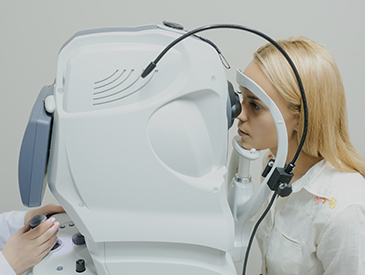
A comprehensive eye exam is the starting point for diagnosing macular degeneration. Your eye doctor may examine the retina closely and look for drusen, pigment changes, or signs of fluid. Many practices also use advanced imaging to document the macula and track changes over time, which helps guide decisions about monitoring frequency and referrals when needed.
If wet AMD is suspected, fast action matters. Early detection can help protect more of your remaining central vision.
Options for Protecting Your Vision
AMD care depends on the type and stage. For early or moderate dry AMD, your doctor may recommend lifestyle changes and specific nutritional support based on your eye health and risk profile. For wet AMD, treatment often involves retinal care that may include prescription therapies to reduce abnormal vessel growth and leakage. Even when AMD cannot be reversed, consistent monitoring and timely treatment can help slow progression and support better long-term outcomes.
Take a proactive step in protecting your vision by scheduling a medical eye exam at Texas State Optical in Texas City, Texas, by calling (409) 202-6984.
Quick Links
Helpful Articles
article_category: products
article_category: psychiatry
article_category: faqs
article_category: cats
article_category: general
article_category: services
article_category: technology
article_category: dogs
article_category: restorative
article_category: vision therapy
article_category: contact lenses
article_category: health
article_category: conditions
article_category: eye surgery co-management
article_category: exotic
article_category: cosmetic
article_category: surgical procedures
article_category: aesthetics
article_category: preventative
article_category: ocular disease management
article_category: eyeglasses
article_category: eye health
article_category: large animal
[]
article_category: psychiatry
article_category: faqs
article_category: cats
article_category: general
article_category: services
article_category: technology
article_category: dogs
article_category: restorative
article_category: vision therapy
article_category: contact lenses
article_category: health
article_category: conditions
article_category: eye surgery co-management
article_category: exotic
article_category: cosmetic
article_category: surgical procedures
article_category: aesthetics
article_category: preventative
article_category: ocular disease management
article_category: eyeglasses
article_category: eye health
article_category: large animal
[]
Flowbite is an open-source library of interactive components built on top of Tailwind CSS including buttons, dropdowns, modals, navbars, and more.
Check out this guide to learn how to get started and start developing websites even faster with components on top of Tailwind CSS.
All Eyecare Services
We offer a wide variety of eye care services to the Texas City community. Contact us with any questions about our services.

Keep In Touch
For non-urgent questions or to learn more about our services, contact us today!

Contact Information
Office Hours
- Monday 8:00am - 5:30pm
- Tuesday 8:00am - 5:30pm
- Wednesday 8:00am - 5:30pm
- Thursday 8:00am - 5:30pm
- Friday 8:00am - 5:30pm
- Saturday 8:00am - 1:00pm
- Sunday Closed
- Monday
- Tuesday
- Wednesday
- Thursday
- Friday
- Saturday
- Sunday
- Monday
- Tuesday
- Wednesday
- Thursday
- Friday
- Saturday
- Sunday
© 2026 Texas State Optical. All rights Reserved - Accessibility Statement - Privacy Policy - Sitemap
Managed and Designed by 