


 Myopia management
 Dry Eye Treatment
 Urgent Eye Care
If You Have Diabetes, How Often Do You Really Need an Eye Exam - and What Are Doctors Looking For?
Blog:If You Have Diabetes, How Often Do You Really Need an Eye Exam - and What Are Doctors Looking For?
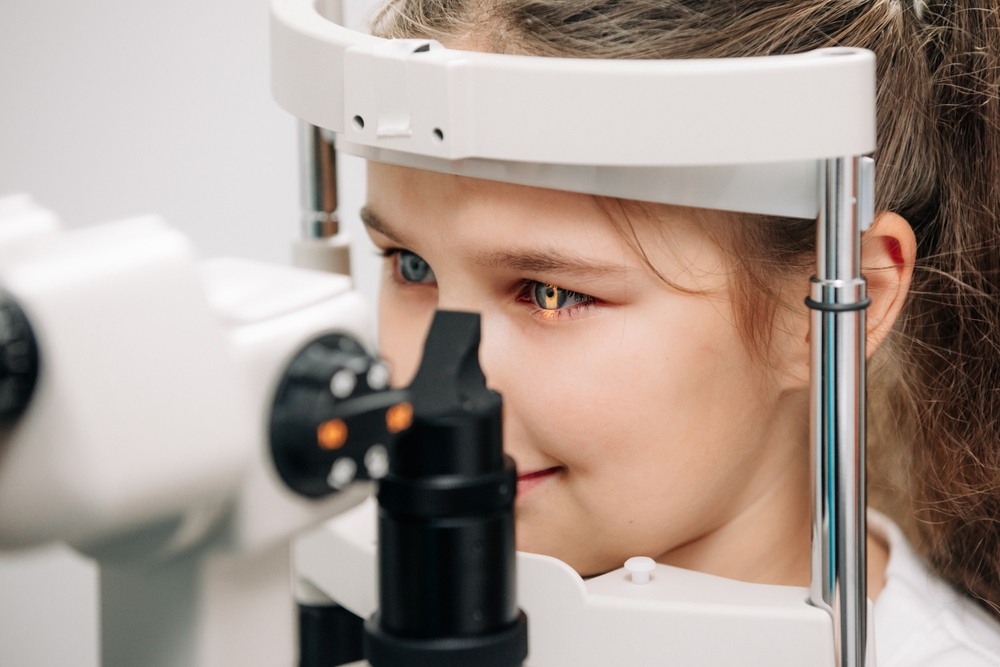
If You Have Diabetes, How Often Do You Really Need an Eye Exam - and What Are Doctors Looking For?
Diabetes affects more than blood sugar. It can also affect the small blood vessels in the eyes, sometimes before you notice any changes in vision. For patients in Texas City and Galveston County managing diabetes, a yearly diabetic eye exam is one of the most important ways to protect long-term sight.
At Texas State Optical Texas City, diabetic eye exams help us look for early signs of diabetes-related eye disease, monitor changes over time, and help patients understand what is happening inside the eye in plain language.
How Often Do People with Diabetes Need an Eye Exam?
Most people with diabetes should have a comprehensive diabetic eye exam once a year. This is true even if your vision seems clear and you do not wear glasses or contacts.
Our eye doctor may recommend more frequent visits if you already have signs of diabetic eye disease, your blood sugar has been difficult to manage, you are pregnant, or you have other risk factors like high blood pressure or high cholesterol.
Why Diabetes Can Affect Your Vision
Diabetes can damage tiny blood vessels throughout the body, including the retina, which is the light-sensitive tissue in the back of the eye. When blood sugar stays high over time, these vessels can weaken, leak, swell, or close off.
This can lead to diabetic retinopathy, diabetic macular edema, blurry vision, fluctuating vision, and a higher risk of other eye conditions. The challenge is that early diabetic eye disease often has no obvious symptoms, which is why regular eye exams are so important.
What Doctors Look For During a Diabetic Eye Exam
During a diabetic eye exam, your eye doctor is not only checking your glasses prescription. We are carefully evaluating the health of your eyes and looking for small changes that could signal a problem.
Your exam may include checking for:
• Tiny blood vessel leaks or bleeding in the retina
• Swelling near the macula, the part of the eye used for central vision
• Changes in retinal blood vessels
• Signs of glaucoma or cataracts, which can be more common in people with diabetes
• Vision changes related to blood sugar fluctuations
The Importance of Early Detection
Many diabetes-related eye problems are easier to manage when found early. Waiting until vision becomes blurry, distorted, or blocked can make treatment more complicated. An annual diabetic eye exam gives your doctor a clearer picture of your eye health from year to year.
Even if you are not due for your annual exam, schedule an appointment if you notice sudden blurry vision, new floaters, dark spots, flashes of light, trouble seeing at night, or vision that seems to change with your blood sugar. These symptoms do not always mean something serious is happening, but they should be checked promptly.
Protecting Your Vision While Managing Diabetes
Managing blood sugar, blood pressure, and cholesterol can help lower the risk of diabetes-related eye disease. Still, good numbers do not replace an eye exam. A diabetic eye exam allows your doctor to see changes that you may not feel or notice on your own.
Schedule a diabetic eye exam at Texas State Optical Texas City to get personalized guidance for your long-term eye health. Contact our office in in Texas City, TX, by calling (409) 202-6984 today.
Quick Links
Helpful Articles
article_category: products
article_category: psychiatry
article_category: faqs
article_category: cats
article_category: general
article_category: services
article_category: technology
article_category: dogs
article_category: restorative
article_category: vision therapy
article_category: contact lenses
article_category: health
article_category: conditions
article_category: eye surgery co-management
article_category: exotic
article_category: cosmetic
article_category: surgical procedures
article_category: aesthetics
article_category: preventative
article_category: ocular disease management
article_category: eyeglasses
article_category: eye health
article_category: large animal
[]
article_category: psychiatry
article_category: faqs
article_category: cats
article_category: general
article_category: services
article_category: technology
article_category: dogs
article_category: restorative
article_category: vision therapy
article_category: contact lenses
article_category: health
article_category: conditions
article_category: eye surgery co-management
article_category: exotic
article_category: cosmetic
article_category: surgical procedures
article_category: aesthetics
article_category: preventative
article_category: ocular disease management
article_category: eyeglasses
article_category: eye health
article_category: large animal
[]
Flowbite is an open-source library of interactive components built on top of Tailwind CSS including buttons, dropdowns, modals, navbars, and more.
Check out this guide to learn how to get started and start developing websites even faster with components on top of Tailwind CSS.
All Eyecare Services
We offer a wide variety of eye care services to the Texas City community. Contact us with any questions about our services.

Keep In Touch
For non-urgent questions or to learn more about our services, contact us today!

Contact Information
Office Hours
- Monday 8:00am - 5:30pm
- Tuesday 8:00am - 5:30pm
- Wednesday 8:00am - 5:30pm
- Thursday 8:00am - 5:30pm
- Friday 8:00am - 5:30pm
- Saturday 8:00am - 1:00pm
- Sunday Closed
- Monday
- Tuesday
- Wednesday
- Thursday
- Friday
- Saturday
- Sunday
- Monday
- Tuesday
- Wednesday
- Thursday
- Friday
- Saturday
- Sunday
© 2026 Texas State Optical. All rights Reserved - Accessibility Statement - Privacy Policy - Sitemap
Managed and Designed by 