


 Myopia management
 Dry Eye Treatment
 Urgent Eye Care
What Are the Early Warning Signs of Glaucoma?
Blog:What Are the Early Warning Signs of Glaucoma?
What Are the Early Warning Signs of Glaucoma?
Glaucoma is a serious eye condition that can quietly damage your vision over time. In many cases, individuals experience no symptoms until the disease has progressed significantly. Learning what glaucoma is, recognizing possible early warning signs, and scheduling regular eye exams are essential steps in catching the condition early and preserving your eyesight.
What Is Glaucoma?
Glaucoma is a group of eye diseases that damage the optic nerve, which is responsible for transmitting visual information from the eye to the brain. This damage is often caused by increased pressure inside the eye, though glaucoma can also occur with normal eye pressure.
The most common form, open-angle glaucoma, progresses slowly and painlessly, making it especially difficult to detect without an eye exam. Other types, such as angle-closure glaucoma, can develop more rapidly and may require urgent care.
Early Warning Signs of Glaucoma to Be Aware Of
In its early stages, glaucoma often has no obvious symptoms, which is why it’s frequently called the “silent thief of sight.” However, as the condition progresses, some warning signs may appear, including:
Gradual loss of peripheral vision
Tunnel vision in advanced stages
Blurred or hazy vision
Difficulty seeing in low light
Eye pain or pressure (more common with certain types of glaucoma)
Halos around lights
Redness of the eye
Sudden vision changes or headaches (in acute cases)
Because these symptoms often appear only after vision loss has begun, relying on symptoms alone can be risky.
Why Routine Eye Exams Are Critical
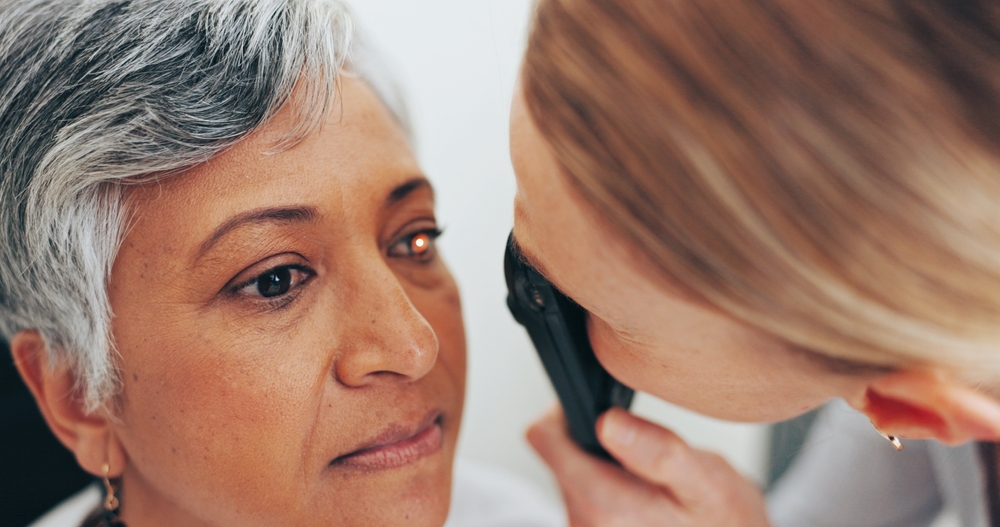
The most effective way to protect your vision from glaucoma is through regular eye exams. Glaucoma can often be detected years before symptoms appear, allowing treatment to begin early and slow or prevent vision loss. During a routine eye exam at Texas State Optical Texas City, our optometrists use advanced diagnostic technology to evaluate your eye health, including:
Measuring intraocular pressure
Examining the optic nerve for early signs of damage
Testing peripheral vision
Assessing overall eye structure and function
Early detection allows for more treatment options and better long-term outcomes.
Who Is at Higher Risk for Glaucoma?
While anyone can develop glaucoma, certain individuals may be at higher risk, including those who:
Are over age 40
Have a family history of glaucoma
Have diabetes or high blood pressure
Have experienced eye injuries
Are nearsighted or farsighted
Use corticosteroid medications long-term
If you fall into one or more of these categories, routine eye exams are especially important.
Stay Ahead of Glaucoma with Texas State Optical Texas City
Glaucoma often develops quietly, without warning signs, until vision loss has already occurred. Understanding what glaucoma is, recognizing potential early symptoms, and prioritizing routine eye exams are key steps in protecting your sight.
Schedule your annual eye exam with Texas State Optical Texas City to help safeguard your vision from glaucoma. Visit our office in Texas City, Texas, or call (409) 202-6984 to book an appointment today.
Quick Links
Helpful Articles
article_category: products
article_category: psychiatry
article_category: faqs
article_category: cats
article_category: general
article_category: services
article_category: technology
article_category: dogs
article_category: restorative
article_category: vision therapy
article_category: contact lenses
article_category: health
article_category: conditions
article_category: eye surgery co-management
article_category: exotic
article_category: cosmetic
article_category: surgical procedures
article_category: aesthetics
article_category: preventative
article_category: ocular disease management
article_category: eyeglasses
article_category: eye health
article_category: large animal
[]
article_category: psychiatry
article_category: faqs
article_category: cats
article_category: general
article_category: services
article_category: technology
article_category: dogs
article_category: restorative
article_category: vision therapy
article_category: contact lenses
article_category: health
article_category: conditions
article_category: eye surgery co-management
article_category: exotic
article_category: cosmetic
article_category: surgical procedures
article_category: aesthetics
article_category: preventative
article_category: ocular disease management
article_category: eyeglasses
article_category: eye health
article_category: large animal
[]
Flowbite is an open-source library of interactive components built on top of Tailwind CSS including buttons, dropdowns, modals, navbars, and more.
Check out this guide to learn how to get started and start developing websites even faster with components on top of Tailwind CSS.
All Eyecare Services
We offer a wide variety of eye care services to the Texas City community. Contact us with any questions about our services.

Keep In Touch
For non-urgent questions or to learn more about our services, contact us today!

Contact Information
Office Hours
- Monday 8:00am - 5:30pm
- Tuesday 8:00am - 5:30pm
- Wednesday 8:00am - 5:30pm
- Thursday 8:00am - 5:30pm
- Friday 8:00am - 5:30pm
- Saturday 8:00am - 1:00pm
- Sunday Closed
- Monday
- Tuesday
- Wednesday
- Thursday
- Friday
- Saturday
- Sunday
- Monday
- Tuesday
- Wednesday
- Thursday
- Friday
- Saturday
- Sunday
© 2026 Texas State Optical. All rights Reserved - Accessibility Statement - Privacy Policy - Sitemap
Managed and Designed by 