


 Myopia management
 Dry Eye Treatment
 Urgent Eye Care
What Is Ortho-K and Can It Really Correct Your Child's Vision While They Sleep?
Blog:What Is Ortho-K and Can It Really Correct Your Child's Vision While They Sleep?
What Is Ortho-K and Can It Really Correct Your Child's Vision While They Sleep?
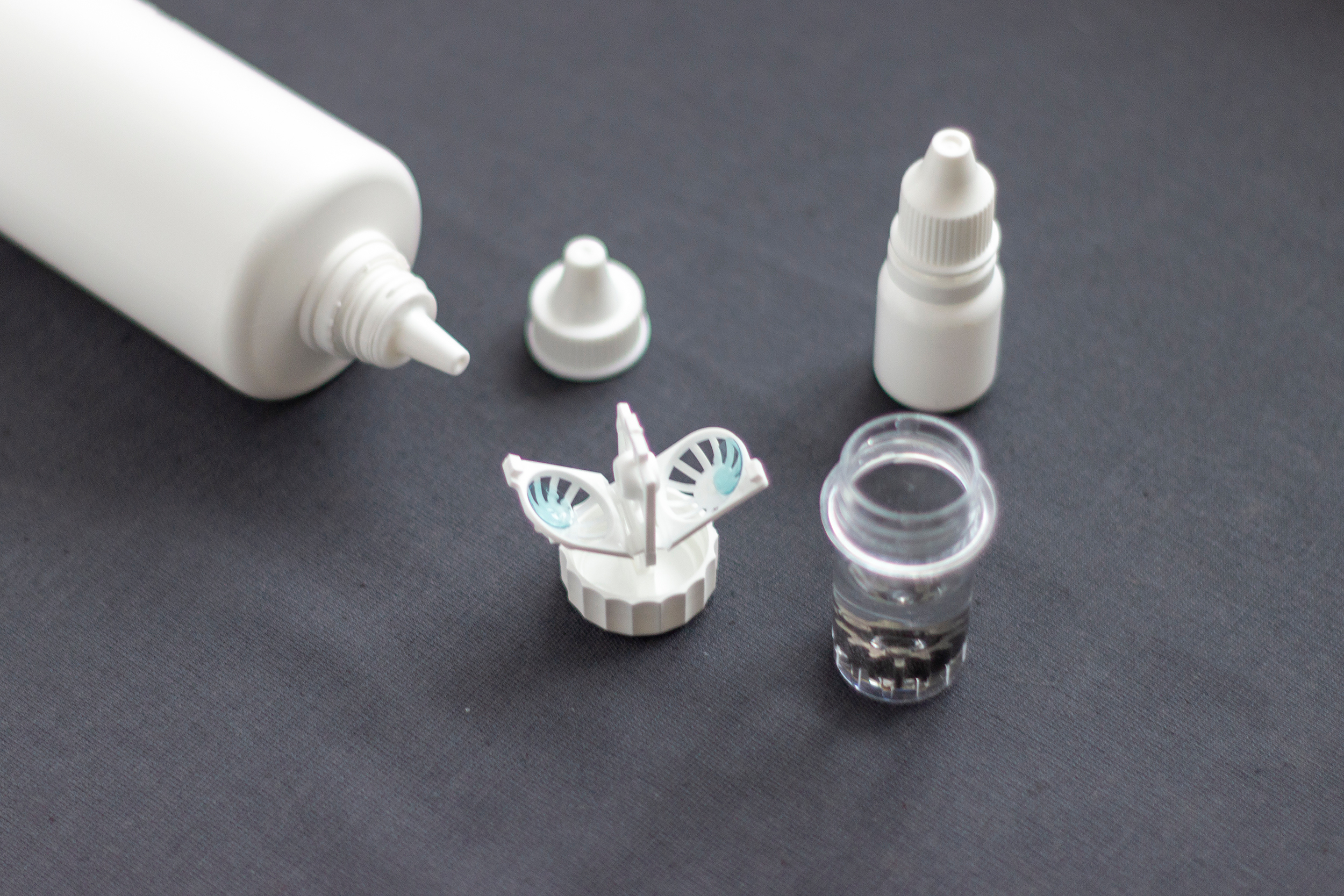
If your child’s glasses prescription keeps getting stronger, you may be wondering if there is another option besides stronger lenses every year. Ortho-K, also called orthokeratology, is a non-surgical vision correction option that uses specially designed contact lenses worn overnight. These lenses gently reshape the front surface of the eye while your child sleeps, allowing many children to see more clearly during the day without glasses or daytime contacts.
At Texas State Optical in Texas City, we help families understand whether Ortho-K may be a good fit for their child’s vision needs, lifestyle, and long-term eye health.
How Ortho-K Works
Ortho-K lenses are custom-made rigid gas permeable lenses worn while sleeping. During the night, the lenses gently and temporarily reshape the cornea, which is the clear front surface of the eye. In the morning, the lenses are removed, and the corrected corneal shape helps light focus more clearly on the retina.
This effect is temporary, which means the lenses must be worn regularly to maintain clear daytime vision. For many children with nearsightedness, Ortho-K can provide freedom from glasses during school, sports, and everyday activities.
Is Ortho-K The Same As Regular Contacts?
Ortho-K lenses are different from soft daytime contact lenses. They are designed for overnight use and require careful fitting, training, and follow-up visits. Because the lenses are custom-fit to the shape of your child’s eyes, a thorough evaluation is needed before treatment begins.
In Texas City, parents often ask about Ortho-K because their child is active in sports, struggles with glasses, or is becoming more nearsighted each year. The right fit and consistent lens care are essential for safe and effective treatment.
Can Ortho-K Help With Myopia Management?
Ortho-K is commonly used for children with myopia, or nearsightedness. Myopia causes distant objects to look blurry, and it often progresses during childhood as the eyes grow. In addition to correcting daytime vision, Ortho-K may be recommended as part of a myopia management plan to help slow the progression of nearsightedness in some children.
Slowing myopia progression matters because higher levels of myopia can increase the risk of certain eye health issues later in life. If your child’s prescription is changing every year, it is worth asking whether myopia management options like Ortho-K should be considered.
Signs Your Child May Be A Candidate
Ortho-K is not right for every child, but it may be worth discussing if your child:
- Has mild to moderate nearsightedness
- Plays sports or dislikes wearing glasses
- Struggles with daytime contact lenses
- Has a prescription that keeps getting worse
- Can follow lens care instructions with parent support
- Wants clear daytime vision without surgery
- Needs a myopia management option recommended by an eye doctor
A comprehensive eye exam helps determine whether your child’s prescription, corneal shape, and eye health make Ortho-K a safe option.
What Parents Should Know Before Starting
Ortho-K requires commitment. Children must wear the lenses as directed, clean them properly, and attend follow-up visits. Parent involvement is especially important at the beginning to make sure lens handling and hygiene are done correctly.
Most children adapt well with guidance, but every patient is different. Some may notice clear vision quickly, while others need more time or lens adjustments. Regular monitoring helps ensure the lenses are working properly and the eyes remain healthy.
Why An Eye Exam Is The First Step
Before recommending Ortho-K, our eye doctor will evaluate your child’s vision, eye health, corneal shape, and prescription history. This visit also gives parents time to ask questions about safety, results, care routines, and expectations.
For families in Texas City, Ortho-K can be a helpful option for children who want more freedom during the day and parents who want to explore myopia management beyond standard glasses.
Ask about Ortho-K at your child’s next eye exam with Texas State Optical in Texas City, TX at 2702 Palmer Hwy, Texas City, TX 77590, or call (409) 202-6984 to schedule an appointment.
Quick Links
Helpful Articles
article_category: products
article_category: psychiatry
article_category: faqs
article_category: cats
article_category: general
article_category: services
article_category: technology
article_category: dogs
article_category: restorative
article_category: vision therapy
article_category: contact lenses
article_category: health
article_category: conditions
article_category: eye surgery co-management
article_category: exotic
article_category: cosmetic
article_category: surgical procedures
article_category: aesthetics
article_category: preventative
article_category: ocular disease management
article_category: eyeglasses
article_category: eye health
article_category: large animal
[]
article_category: psychiatry
article_category: faqs
article_category: cats
article_category: general
article_category: services
article_category: technology
article_category: dogs
article_category: restorative
article_category: vision therapy
article_category: contact lenses
article_category: health
article_category: conditions
article_category: eye surgery co-management
article_category: exotic
article_category: cosmetic
article_category: surgical procedures
article_category: aesthetics
article_category: preventative
article_category: ocular disease management
article_category: eyeglasses
article_category: eye health
article_category: large animal
[]
Flowbite is an open-source library of interactive components built on top of Tailwind CSS including buttons, dropdowns, modals, navbars, and more.
Check out this guide to learn how to get started and start developing websites even faster with components on top of Tailwind CSS.
All Eyecare Services
We offer a wide variety of eye care services to the Texas City community. Contact us with any questions about our services.

Keep In Touch
For non-urgent questions or to learn more about our services, contact us today!

Contact Information
Office Hours
- Monday 8:00am - 5:30pm
- Tuesday 8:00am - 5:30pm
- Wednesday 8:00am - 5:30pm
- Thursday 8:00am - 5:30pm
- Friday 8:00am - 5:30pm
- Saturday 8:00am - 1:00pm
- Sunday Closed
- Monday
- Tuesday
- Wednesday
- Thursday
- Friday
- Saturday
- Sunday
- Monday
- Tuesday
- Wednesday
- Thursday
- Friday
- Saturday
- Sunday
© 2026 Texas State Optical. All rights Reserved - Accessibility Statement - Privacy Policy - Sitemap
Managed and Designed by 