


 Myopia management
 Dry Eye Treatment
 Urgent Eye Care
Hidden Beach Hazards: How to Protect Your Family's Eyes from Severe Sun and UV Damage at Local Texas Beaches This July
Blog:Hidden Beach Hazards: How to Protect Your Family's Eyes from Severe Sun and UV Damage at Local Texas Beaches This July
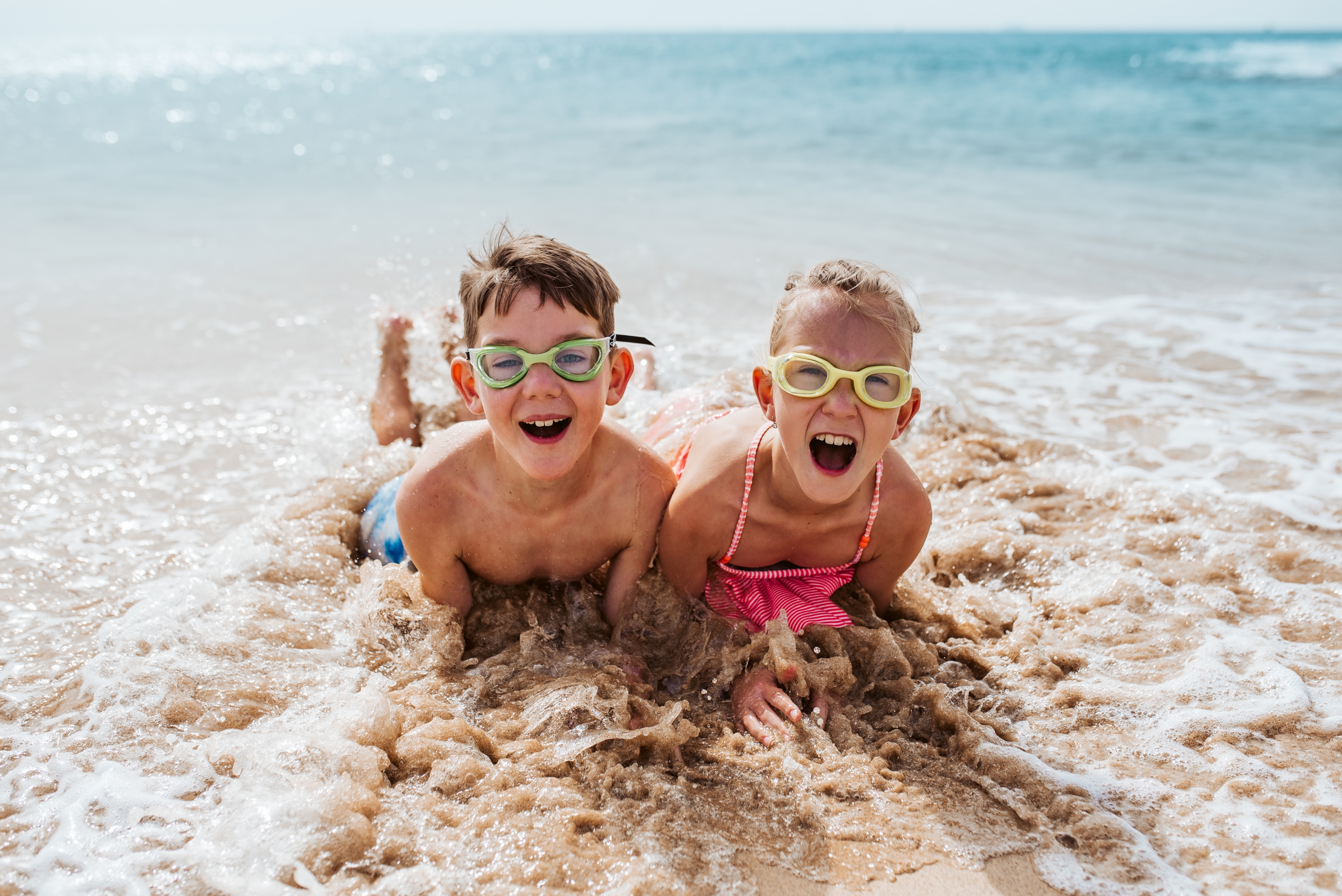
Hidden Beach Hazards: How to Protect Your Family's Eyes from Severe Sun and UV Damage at Local Texas Beaches This July
July is a popular time for Texas City families to head toward the water, whether that means Galveston beaches, local fishing spots, boating, or sunny weekends along the Gulf Coast. While sunscreen protects the skin, many families forget that the eyes need protection too. Severe sun exposure and UV damage can affect children and adults, especially when bright light reflects off sand, water, pavement, and car windshields.
At Texas State Optical Texas City, we help families protect their vision with comprehensive eye exams, advanced eye health technology, and personalized eyewear recommendations.
Why UV Exposure Matters At The Beach
UV rays are invisible, but they can still reach delicate eye tissues. At the beach, exposure can be stronger because sunlight reflects from water and sand. Even on cloudy days, UV rays can pass through and affect the eyes.
Short-term exposure may cause irritation, redness, light sensitivity, or a painful sunburn-like condition on the surface of the eye. Long-term exposure may contribute to cataracts, growths on the eye surface, and other eye health concerns. For Texas City families spending more time outside in July, protective eyewear should be part of the beach bag.
Why Kids Need Eye Protection Too
Children often spend long stretches outdoors and may not think to wear sunglasses unless parents make it part of the routine. Their eyes also need UV protection, especially during summer activities near the Gulf Coast.
A wide-brimmed hat can help reduce overhead sun, but it does not fully protect against reflected light from water or sand. Proper sunglasses with UV protection are important for kids, teens, and adults.
Not All Sunglasses Are Protective
Dark lenses do not automatically mean better protection. A lens can reduce brightness but still fail to block UV rays. In some cases, dark lenses without UV protection may cause the pupil to widen, allowing more unfiltered light into the eye.
Look for sunglasses labeled 100 percent UVA and UVB protection or UV400. If your child or family member wears prescription glasses, prescription sunglasses or photochromic lenses may be a better option than going without vision correction outdoors.
Beach Hazards That Can Irritate Eyes
UV rays are not the only concern during July beach days. Wind, saltwater, sand, sunscreen, sweat, and pool chemicals can all irritate the eyes. Contact lens wearers should be especially careful because water exposure can increase the risk of infection.
Common beach-related eye hazards include:
- Reflected UV rays from water and sand
- Windblown sand or debris
- Sunscreen dripping into the eyes
- Saltwater irritation
- Chlorine from pools
- Contact lenses exposed to water
- Dryness from heat and wind
- Eye redness after long outdoor days
These issues may seem minor at first, but lingering pain, redness, discharge, or vision changes should be evaluated.
Contact Lenses And Water Do Not Mix
If someone in your family wears contact lenses, they should avoid swimming or showering in them. Water can introduce bacteria and other organisms that may become trapped between the lens and the eye. This can increase the risk of irritation or serious infection.
For beach or pool days, prescription swim goggles may be a safer option. If water gets in the eyes while contacts are in, remove the lenses with clean, dry hands and contact your eye doctor if symptoms continue.
How An Eye Exam Helps Protect Your Family
A comprehensive eye exam does more than update prescriptions. It allows your optometrist to check eye health, discuss UV exposure, review risk factors, and recommend eyewear that fits each person’s needs.
At Texas State Optical Texas City, advanced diagnostic technology such as Optos, OCT, and retinal imaging can help your eye doctor get a clearer view of the inside of the eye. This supports more informed care for families who want to protect their vision long term.
Smarter Sun Protection For July
Before your next beach day, make sure every family member has properly fitted sunglasses with real UV protection. Wraparound frames can help reduce side glare, while polarized lenses may reduce reflected glare from water, roads, and windshields.
Good eye protection should feel comfortable enough to wear consistently. If sunglasses slide, pinch, or distort vision, they are less likely to be used.
To schedule an eye exam or ask about UV-protective eyewear for your family, contact Texas State Optical Texas City in Texas City, TX at 2702 Palmer Hwy, Texas City, TX 77590, or call (409) 202-6984.
Quick Links
Helpful Articles
article_category: products
article_category: psychiatry
article_category: faqs
article_category: cats
article_category: general
article_category: services
article_category: technology
article_category: dogs
article_category: restorative
article_category: vision therapy
article_category: contact lenses
article_category: health
article_category: conditions
article_category: eye surgery co-management
article_category: exotic
article_category: cosmetic
article_category: surgical procedures
article_category: aesthetics
article_category: preventative
article_category: ocular disease management
article_category: eyeglasses
article_category: eye health
article_category: large animal
[]
article_category: psychiatry
article_category: faqs
article_category: cats
article_category: general
article_category: services
article_category: technology
article_category: dogs
article_category: restorative
article_category: vision therapy
article_category: contact lenses
article_category: health
article_category: conditions
article_category: eye surgery co-management
article_category: exotic
article_category: cosmetic
article_category: surgical procedures
article_category: aesthetics
article_category: preventative
article_category: ocular disease management
article_category: eyeglasses
article_category: eye health
article_category: large animal
[]
Flowbite is an open-source library of interactive components built on top of Tailwind CSS including buttons, dropdowns, modals, navbars, and more.
Check out this guide to learn how to get started and start developing websites even faster with components on top of Tailwind CSS.
All Eyecare Services
We offer a wide variety of eye care services to the Texas City community. Contact us with any questions about our services.
Keep In Touch
For non-urgent questions or to learn more about our services, contact us today!

Contact Information
Office Hours
- Monday 8:00am - 5:30pm
- Tuesday 8:00am - 5:30pm
- Wednesday 8:00am - 5:30pm
- Thursday 8:00am - 5:30pm
- Friday 8:00am - 5:30pm
- Saturday 8:00am - 1:00pm
- Sunday Closed
- Monday
- Tuesday
- Wednesday
- Thursday
- Friday
- Saturday
- Sunday
- Monday
- Tuesday
- Wednesday
- Thursday
- Friday
- Saturday
- Sunday
© 2026 Texas State Optical. All rights Reserved - Accessibility Statement - Privacy Policy - Sitemap
Managed and Designed by 